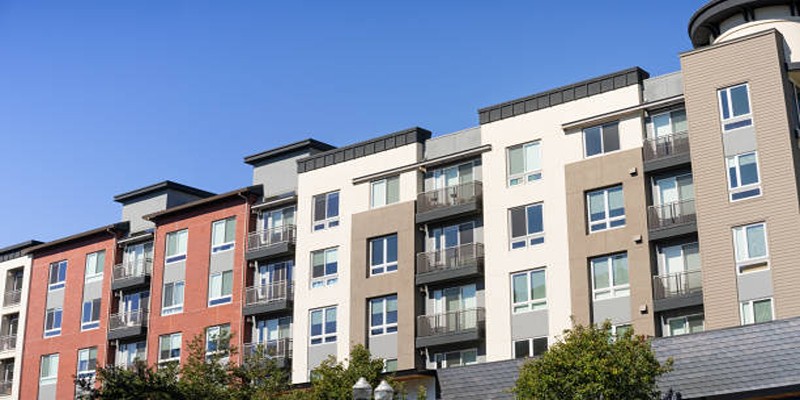
Want the ideal living environment or a clever investment property? The solution may perhaps be multifamily homes. However, what is the nature of them, how do they operate and whether or not they are suitable to your lifestyle or financial aspirations? It will provide you with all the information concerning multifamily homes about their types and advantages, as well as the possible complications so that you can make a decision about whether Multifamily homes are in line with your needs and goals.
What Is a Multifamily Home?

A multifamily home is a single residential property designed to house multiple families in separate living units. These homes can range from smaller duplexes to larger apartment complexes with dozens of units.
Unlike single-family homes, which are built for one household, multifamily homes consist of multiple units within the same building or property. Each unit typically has its own kitchen, bathroom, and living spaces, providing independence and privacy for each household.
Types of Multifamily Homes
Not all multifamily homes are created equal. Depending on your needs and goals, you'll find several types of multifamily properties available. Here are the most common:
1. Duplex
A duplex is a property divided into two units, either stacked on top of each other (like two-story buildings) or side by side. Each unit usually has its own entrance, making it a suitable choice for extended families or investors looking for a small-scale rental opportunity.
2. Triplex and Fourplex
Triplexes and fourplexes are like duplexes but provide three or four separate units within one property. These are still considered smaller multifamily properties but are ideal for those wanting to generate rental income from multiple tenants.
3. Apartment Complex
Apartment complexes are larger multifamily properties that contain five or more units, often many more. These buildings sometimes include additional amenities like parking lots, gyms, swimming pools, or shared laundry facilities. They’re typically managed by property management teams or companies.
4. Townhouses or Rowhouses
While townhouses are commonly thought of as single-family homes, certain townhome communities cater to multifamily living. These homes are typically lined up in a row and are residential units with shared walls.
5. Mixed-Use Properties
Some multifamily properties combine residential and commercial spaces. For instance, a building might have retail stores or offices on the ground floor and apartments above. These mixed-use properties are common in urban areas.
What Are the Key Features of Multifamily Homes?
Multifamily homes are distinct not just in structure but also in functionality. Here are some key features that set them apart:
- Separate Living Units: Each family or tenant has their own unit, complete with a private kitchen, bathroom, and bedrooms.
- Shared Infrastructure: While living spaces are private, some areas like laundry rooms, parking lots, or outdoor spaces might be shared.
- Scalable Investment: Whether you’re buying a duplex or an apartment complex, multifamily homes allow for scalable rental income opportunities.
Benefits of Multifamily Homes
Why consider a multifamily home over other property types? Here are some compelling benefits:
- Rental Income Potential: If you’re an investor, a multifamily home can be a cash-flow generator. By renting out units, you can cover your mortgage payments or even turn a profit.
- Economies of Scale: Managing multiple units in a single property is often more cost-effective than owning multiple single-family homes. For instance, maintenance costs may be consolidated, and property taxes may be lower per unit.
- Housing Flexibility: For families, multifamily homes are an excellent way to live close to extended relatives without sacrificing privacy. For example, a duplex could house parents in one unit and adult children in the other.
- Easier to Get Financing: It might seem counterintuitive, but buying a multifamily property can actually make financing easier. Lenders often view multifamily homes as less risky because the rental income can offset a portion of the mortgage, reducing the likelihood of default.
- Resale Value: Properties with multiple income-generating units often have higher resale value. Investors and house-hackers specifically look out for multifamily homes, which keeps demand steady.
Potential Challenges to Consider
While multifamily homes have plenty of upsides, they also come with unique challenges. Here’s what to keep in mind:
- Property Management Complexity: The more units you own, the more tenants to manage. Expect responsibilities like handling complaints, collecting rent, and coordinating maintenance. Many owners hire property managers to save time, but that cuts into your profits.
- Higher Initial Investment: Although multifamily homes come with income potential, they typically require a larger upfront investment. You might need to spend more on the down payment and renovation costs.
- Tenant Risks: Vacancies, late rent payments, or damaging tenants can affect your cash flow. Proper tenant screening and lease agreements are essential to mitigating risk.
- Zoning and Regulations: Certain cities and neighborhoods impose zoning restrictions or regulations on multifamily properties, such as specific building codes. Always do your research before purchasing a property.
Tips for Buying a Multifamily Home

Are you thinking about purchasing a multifamily home? Here are several tips to guide you:
- Define Your Goal: What’s driving your decision? Are you purchasing as an investment, or for personal housing? Your goals will help determine the type of property you should pursue.
- Location Matters: Properties in desirable neighborhoods tend to attract tenants quickly and hold their value better. Look for areas with growth potential, good schools, and access to amenities.
- Calculate Expenses and ROI: Before you make a purchase, perform a cost-benefit analysis. Compare your expected rental income to the monthly mortgage, property taxes, insurance, and maintenance costs. A positive return on investment (ROI) is crucial.
- Secure Proper Financing: If this is your first time buying a multifamily home, consider using an FHA loan. These government-backed loans are designed to help buyers purchase properties with 2–4 units while requiring as little as 3.5% down.
- Inspect Thoroughly: Multifamily homes are an investment, so any repair issues, structural damage, or code violations could cost you down the line. Hire a professional inspector to evaluate the property beforehand.
Final Thoughts
Whether you’re an aspiring real estate investor or someone looking for a unique housing solution, multifamily properties offer incredible opportunities. They generate income, create greater housing flexibility, and come in a variety of configurations to fit different needs. However, they aren’t a one-size-fits-all solution. Consider your goals, financial situation, and willingness to take on property management before making your decision.