Holding a paper check in your hand can feel a little outdated in a world where so much happens with a tap or swipe. But checks are still a trusted way to pay and get paid, and knowing how to deposit one properly saves you trouble later. Whether you're new to banking or just need a quick refresher, the process isn't complicated once you understand your options. From walking into a branch to snapping a photo on your phone, each method has its steps and benefits. This guide breaks it all down so you can handle your next check with confidence.
Understanding Your Options
When you’re ready to deposit a check, you have three easy ways to do it: stop by your bank or credit union, use an ATM, or handle it right from your phone with a mobile app. Each option works a bit differently, but all get your money where it belongs—into your account.
If you prefer speaking to someone or have questions, visiting your bank branch is a solid choice. A teller will guide you through the process, typically asking you to fill out a deposit slip, sign the back of the check, and confirm the amount before processing it. They can also tell you when the funds will be available, which varies depending on your bank's policy and the type of check.
ATMs make depositing checks just as simple, without waiting in line. Modern machines don’t even need a deposit slip. Just insert your debit card, punch in your PIN, choose the deposit option, and feed the check into the slot when prompted. Many ATMs will show the amount on screen and even print a little image of the check on your receipt, which is handy to keep for your records.
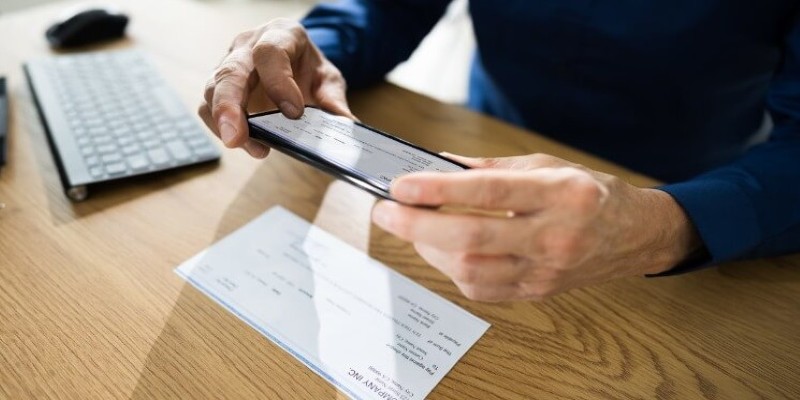
For many people, the most convenient way of depositing checks is using a mobile app. Once you log into your bank’s app, you just tap “Deposit Check,” take clear photos of the front and back after endorsing it, enter the amount, and hit submit. You’ll usually get a quick confirmation, and it’s a good idea to hang onto the paper check for a few days just in case there’s any issue processing it.
Steps to Prepare Your Check
Before depositing, it’s important to prepare your check properly to avoid delays or rejections. This starts with endorsing it. On the back of the check, there’s a small area labeled for endorsement. Most of the time, writing “For deposit only” followed by your account number and then signing your name is enough. Some banks require only a signature, but adding your account number helps ensure it goes to the right place.
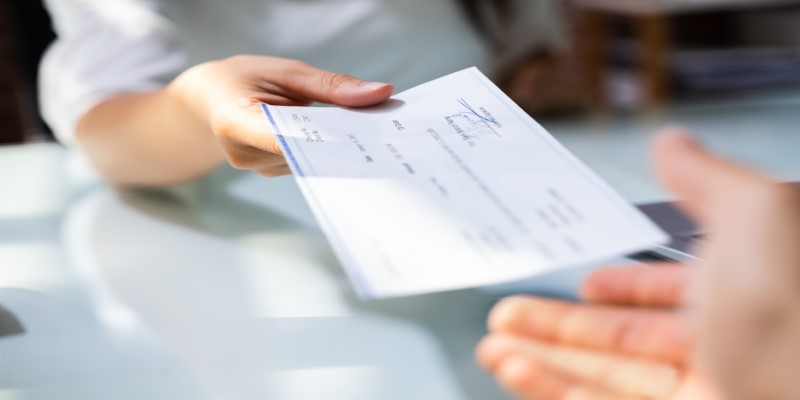
If you’re depositing through a mobile app, some banks now require you to add a phrase like “Mobile deposit only” under your signature. Check your app’s instructions, as this can vary.
Make sure the check itself is legible and not torn. If it’s damaged or smudged, a teller might need to verify it manually. Double-check that the date is valid and that the amount written matches the numeric value. Errors can cause delays in processing.
If you're using an ATM or mobile app, have your account details handy in case you need to select the account you want to deposit into. Keeping track of your receipts or confirmation emails is also a good idea, so you can match them later when the funds show up in your balance.
Timing and Funds Availability
One common question is how long it takes for the money to become available. When you deposit a check in person, funds from local checks might be available the next business day, while out-of-state or large checks can take longer. Your bank will usually give you a receipt showing when you can access the money.
ATM deposits work similarly, but sometimes have a slightly longer hold depending on when you deposit. Checks dropped in after business hours may not be processed until the next day.
With mobile deposits, banks often allow you to see part of the funds sooner, while placing a temporary hold on the rest until the check clears. This is normal, as banks need time to verify that the issuer has enough funds.
If you're unsure about the timing, ask a teller or check your bank's app for details. Many banks now display pending deposits, allowing you to see exactly what's happening.
Keeping Track and Best Practices
Once you've deposited a check, it's a good idea to keep track of it. If you used mobile deposit, keep the paper check for at least a week in a safe place before discarding it, just in case the deposit doesn't go through or the bank asks for verification. Write “deposited” on it so you don’t accidentally try to deposit it twice.
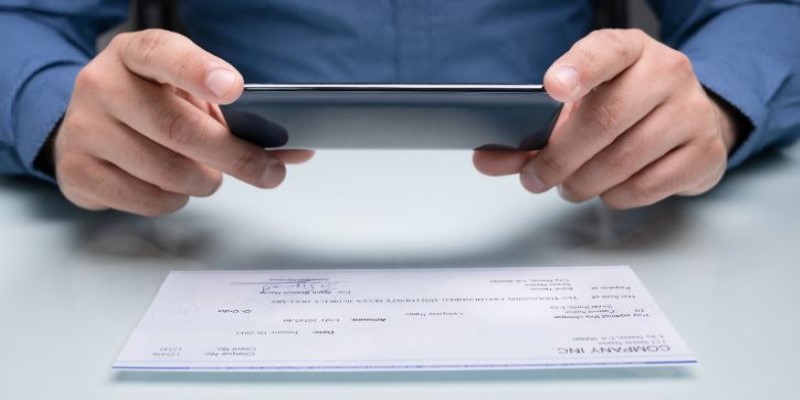
Check your account balance to make sure the deposit appears as expected. If there’s a problem, contacting your bank right away usually resolves it quickly.
If you deposit checks often, consider using mobile deposit when possible. It saves time and is secure, as most apps encrypt your data. But if you prefer a more hands-on approach, visiting the bank or using an ATM remains just as effective.
By keeping your checks organized, endorsing them correctly, and understanding the timing, you can deposit checks without stress. It’s one of those simple financial habits that keeps your money moving where you need it.
Conclusion
Depositing a check doesn't have to feel complicated. Whether you walk into a bank, slip it into an ATM, or take a picture from your phone, the steps are straightforward once you know what to expect. A little preparation ensures the money gets to your account quickly and without issues. Keeping good records and being mindful of processing times helps avoid surprises. The method you choose comes down to what feels easiest and most reliable for you, and each one works just fine.